National Aquaculture Technology and Innovation Hub (NATIH)

Commercial & Industrial, Higher Education

  • Location
    Stirling
  • Client
    University of Stirling
  • Photographer
    Paul Zanre

Introduction

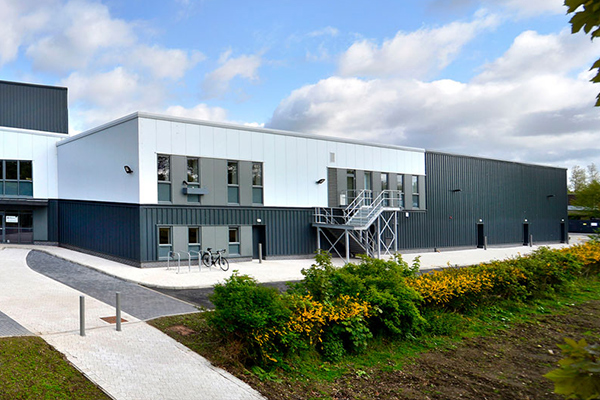
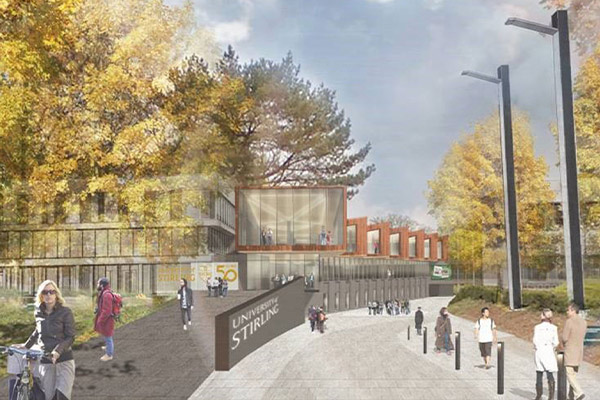
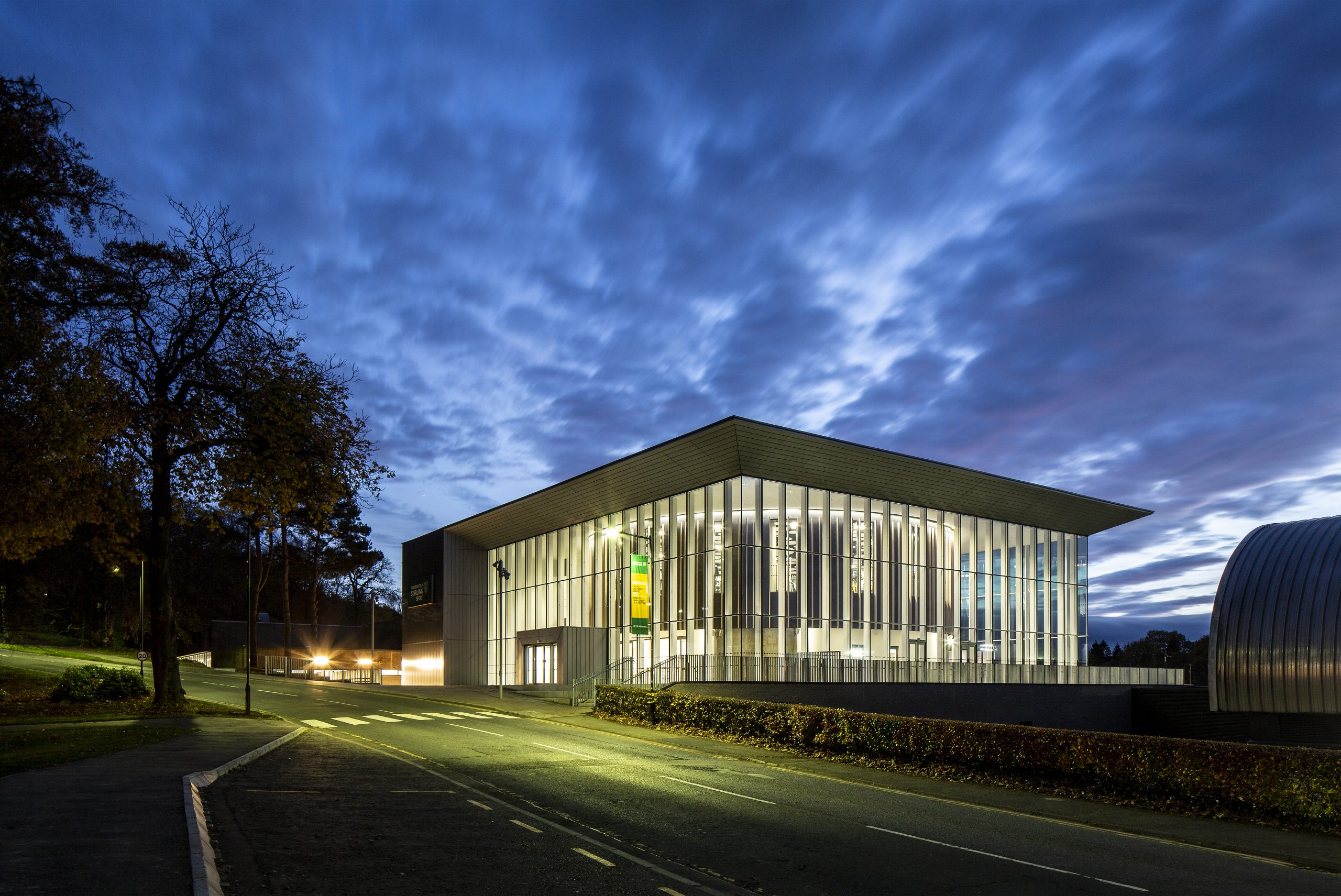
The National Aquaculture Technology and Innovation Hub (NATIH) represents a transformational milestone for the University of Stirling, evolving its existing aquaculture laboratory into a world-class facility dedicated to sustainable aquaculture research and innovation. The project involved the refurbishment of the existing building adjacent to the A-listed Pathfoot Building and the construction of a two-storey extension. Backed by £17 million from the Stirling and Clackmannanshire City Region Deal and an additional £1 million grant from the Wolfson Foundation, the hub establishes Stirling as the UK’s leading centre for aquaculture excellence and will integrate fully into the University’s renowned Institute of Aquaculture.

MEP Solutions

Harley Haddow delivered full MEP design services from RIBA Stages 2–4, developing integrated mechanical and electrical systems to support a variety of controlled aquatic environments. This included advanced experimental challenge units, temperature-controlled laboratories, and flexible research areas designed for studying bacterial, viral, and parasitic diseases in fish. Working closely with specialist aquaculture designers, our team engineered efficient and sustainable systems to meet the complex technical demands of the facility, contributing to the project’s EPC A rating and delivering 5% value engineering savings.

Collaboration

Collaboration was key to the success of NATIH. Harley Haddow worked hand-in-hand with the University of Stirling, the wider design team, and specialist partners including North Aquaculture (Denmark) to ensure technical alignment and seamless project delivery. Although the project was not fully modelled in BIM, our team effectively used Revit 2023 to coordinate across disciplines and maintain clear communication throughout. The project’s success also reflects strong stakeholder engagement and a shared vision for sustainability, innovation, and community benefit.

Challenges

The project’s complexity presented several challenges, including managing the coordination of specialist aquaculture systems across international teams and ensuring technical consistency between the UK and Denmark. Despite these hurdles, Harley Haddow’s proactive approach and technical expertise ensured smooth collaboration and effective design integration. Additionally, balancing high sustainability standards within a highly serviced research facility required innovative MEP solutions to meet performance targets, ultimately achieving an EPC A rating. The project also demonstrated its wider impact through over 80 weeks of apprenticeships, extensive local SME engagement, and community outreach initiatives.

Project awards

Want to know more?

We’re always happy to chat through potential projects. If you have an enquiry drop us a line.

Get in Touch